Comprehensive and Preventive Health Services.
Additional Services
Free Consultation
Volutpat risus ultrices ut gravida sociosqu aptent mus
Importance Of Sleep Hygeine
There is a `Biological Sleep Switch’ in our brain. There is a network of nerve cells in the brain which ‘switch on and off ‘secretion of chemicals (neurotransmitters) that promote wakefulness and sleepiness.
This network is controlled by our circadian rhythm. Circadian rhythm is regulated by daily exposure to sunlight and darkness. This is why we feel sleepy when it is dark. Exposure to screen time and bright lights at bedtime will affect sleep onset.
Sleep can be modified by these factors
- Stress
- Late nights
- Caffeine after 6 pm
- Excessive Alcohol intake
- Screen time at bedtime
- Sedentariness (lack of exercise)
Sleep hygiene must take these factors into account for maintaining good health.
If you have difficulty falling asleep, get in touch with us. Get guidance on good sleep hygeine
SLEEP DISORDERS
Everyone can experience problems with sleep from time to time.
However, you might have a sleep disorder if you experience one or more of the following symptoms:
- - Fall asleep while driving
- - You regularly experience difficulty sleeping
- - You are often tired during the day even though you slept for at least seven hours the night before
- - Struggle to stay awake when inactive, such as when watching television or reading
- - Have difficulty paying attention or concentrating at work, school, or home
- - Often get told by others that you look sleepy
- - Have difficulty with your memory
- - Have difficulty controlling your emotions
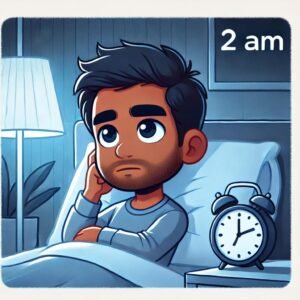
Insomnia
Insomnia is a sleep disorder where people have difficulty falling asleep or staying asleep.
Sleep Apnea
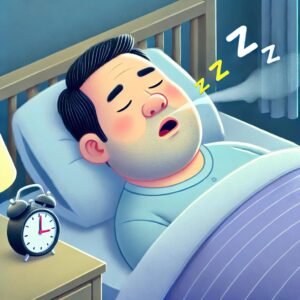
Sleep apnea is a potentially serious sleep disorder that occurs when a person’s breathing is interrupted during sleep. People with untreated sleep apnea stop breathing repeatedly during sleep.
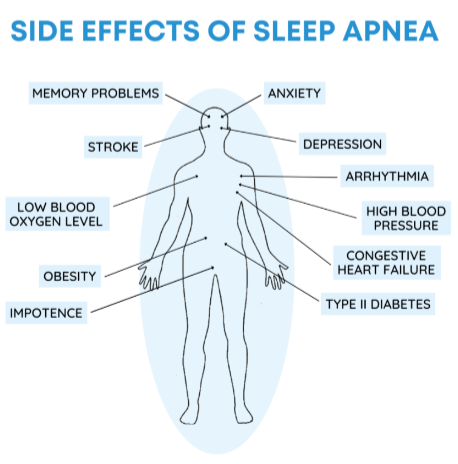
Diagnosing and treating sleep apnea is important because of many side effects.
DIAGNOSIS: Sleep apnea can be diagnosed with a Sleep Test called Polysomnogram (PSG)
Frequently Asked Questions:
What is OSA ( Obstructive Sleep Apnea) ?
Obstructive Sleep Apnea is caused by an obstruction of the air passage in the throat in sleep.
The most common symptom of sleep apnea is excessive, loud snoring.
I am not overweight. Could I still have sleep apnea?
It is a common misconception that you must be overweight and male to have sleep apnea. The most important symptoms to consider are tiredness during the day, headache on waking up and snoring. If you exhibit these you must seek evaluation.
How is sleep apnea diagnosed?
It can be diagnosed by a Sleep test also known as a Polysomnogram (PSG).
Is there any treatment for sleep apnea?
Yes.
If your sleep study is positive for sleep apnea, the best form of treatment is using a CPAP machine at night.
Other treatment options include lifestyle changes, surgery, dental devices and more. In severe cases, a combination of two or more of these methods may be recommended.
If you are concerned that you may be experiencing sleep apnea, consult us about your treatment options.
Narcolepsy
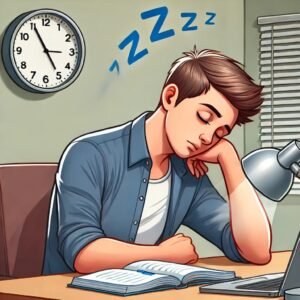
Narcolepsy is a neurological disorder of sleep regulation.
It usually begins between the ages of 15 and 25, but it can become apparent at any age.
Symptoms: People with narcolepsy experience overwhelming daytime sleepiness and intermittent, uncontrollable episodes of falling asleep during the day. Some people with narcolepsy experience sudden episodes of muscle weakness with bouts of laughter or other emotions.
In many cases, narcolepsy remains undiagnosed and therefore, untreated.
Periodic Limb Movements in Sleep (PLMS)
There is a tendency to involuntary flex and extend legs or involuntarily jerk legs repeatedly in sleep.
People are usually unaware of these movements, but it can disrupt sleep. People may wake up several times during the night, leading to a feeling of not being well-rested. It can cause daytime fatigue, daytime sleepiness, and poor concentration.
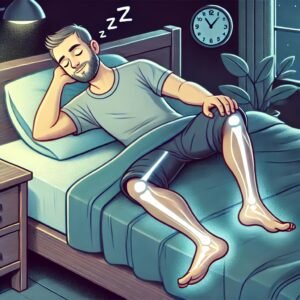
Periodic Limb Movements in Sleep (PLMS)
There is a tendency to involuntary flex and extend legs or involuntarily jerk legs repeatedly in sleep.
People are usually unaware of these movements, but it can disrupt sleep. People may wake up several times during the night, leading to a feeling of not being well-rested. It can cause daytime fatigue, daytime sleepiness, and poor concentration.
Your health is our priority, and we are here to support you every step of the way
Lorem ipsum dolor sit amet, consectetur adipiscing elit. Ut elit tellus, luctus nec ullamcorper mattis, pulvinar dapibus leo.

Testimonials
Hear From Our Happy Patients
Lorem ipsum dolor sit amet, consectetur adipiscing elit. Ut elit tellus, luctus nec ullamcorper mattis, pulvinar dapibus leo.